

The History of Wig and Gown: Why lawyers still wear them
The stark black gowns and white wigs are iconic symbols of British law and are still worn in courtrooms today, but why? Where did the wig and gown come from? And why is this attire so important in UK law and courtrooms? Here, we are going to be looking at the history of the wig and gown to understand why lawyers and barristers still wear them today.
The introduction of wigs and gowns
Before the 1600’s, lawyers and barristers were required to ensure that their hair and beard was neatly trimmed and well-kept, clean and short at all times. During the reign of King Charles II between 1660 and 1685, the wig became a popular fashion item, particularly among the aristocracy and upper classes in Europe.
At this time, an outbreak of syphilis had swept through the population, leaving a significant portion of people bald. Wigs were worn in high society to hide lice and any symptoms of sexually transmitted infections.
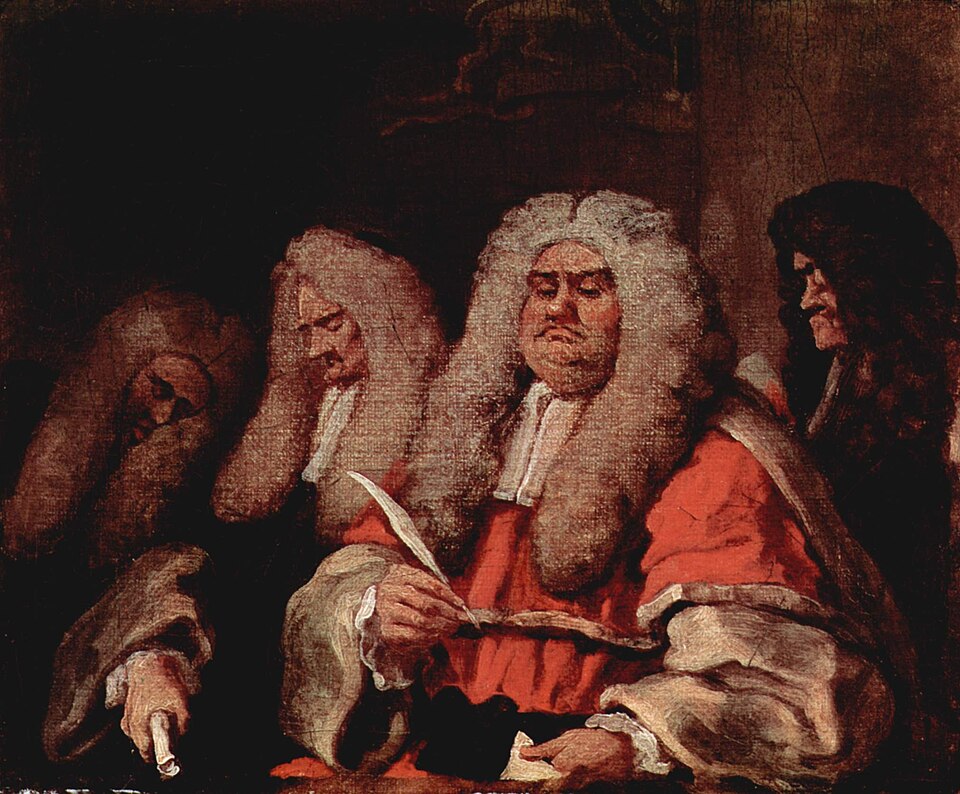
Seen as a symbol of authority and importance, lawyers began to wear their wigs inside of the courtroom in an effort to show their power and status. Wigs began appearing in courtrooms in approximately 1685, just as the rest of society was beginning to move away from the trend. By the end of King Charles II reign, wigs had become fully accepted by judges in courtrooms.
Wigs and Gowns common law
Approximately a century later, the popularity of the wig as a fashion statement began to waver. Despite fewer people wearing wigs as an everyday piece of fashion, the wig still remained a constant piece of attire in the courtroom. Eventually the wig disappeared almost entirely from society, but continued to be worn by barristers and lawyers.
By the 1840’s, a common law was enforced which stated that barristers and lawyers would not appear in a courtroom without their wigs and gowns. In fact, there are cases where barristers were dismissed from court due to not wearing their wigs, as was expected of them. The first recorded case was a barrister by the name of Mr Bodkin who was dismissed from court after a judge said “I neither see nor hear Mr Bodkin.”
Why do lawyers and barristers still wear wigs?
Now, solicitors and many other members of the courtroom and judiciary system have stopped wearing wigs. However, barristers still continue to wear them, with the wig being viewed worldwide as a distinctive feature of a barrister’s courtroom attire in the UK. One of the reasons wigs are still predominant in today’s modern world is the tradition of it being a required court dress code.
Although the requirement to wear a wig was made no longer mandatory by law in 1995, barristers can potentially still face disciplinary action for contempt of court and breaching the code of conduct if they do not wear one. Another reason barristers still wear their wigs is because it brings a sense of formality to the proceedings, while also emphasising anonymity and a separation from the rest of the court.
The future of the wig in the courtroom
During a change in law in 2007, the rules were changed so that a barrister or lawyer was no longer expected to wear a wig during civil and family law courts, or in the UK Supreme Court. However, the same is not true of criminal trial, where wigs are still a requirement, and in fact, many law practitioners in the UK still take pride in wearing them.
